Portfolio Management Services (PMS) – Invest & Explore Benefits
A Portfolio Management Service (PMS) works differently from a pooled investment product. Instead of buying units in a scheme shared with thousands of other investors, you get a portfolio manager who builds and runs a portfolio around your specific goals and risk appetite. Understand what PMS services in India are and how they work,
Start Your Investment Journey Today
What is a Portfolio Management Service?
A PMS is an investment offering run by a SEBI-registered portfolio manager who constructs and manages an equity, debt, or multi-asset portfolio for a single investor. The securities sit directly in that investor's own demat account. There is no common pool and no unit structure, which is the main point of departure from a mutual fund.
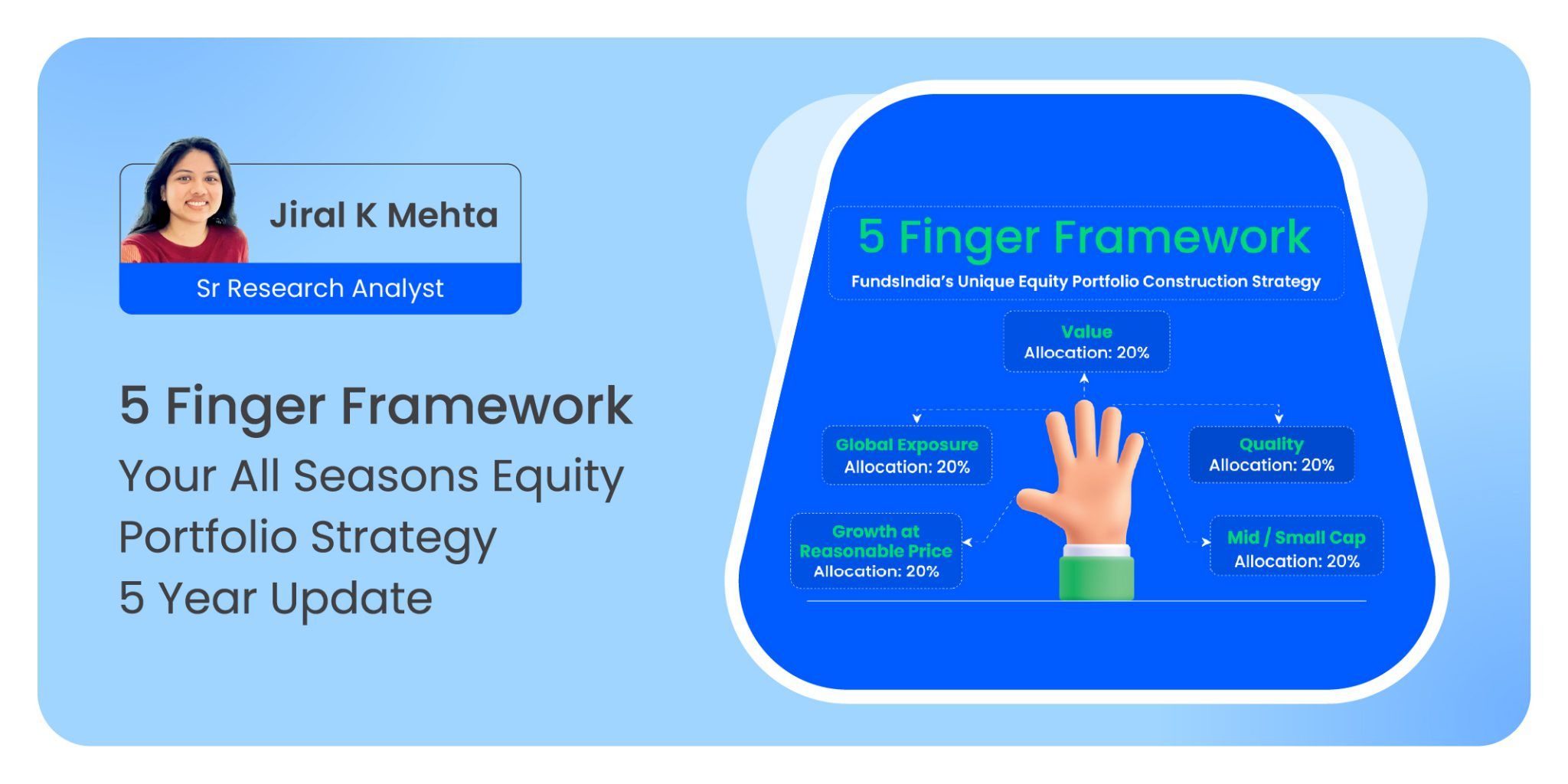
Strategies vary considerably from one portfolio manager to another. Some portfolios may be concentrated around a limited number of high-conviction stocks, while others may follow styles such as value, quality, growth at a reasonable price, or mid- and small-cap investing. A discretionary PMS leaves investment calls entirely to the manager, while a non-discretionary or advisory arrangement keeps the final decision with the investor. Given the higher entry ticket and the fact that you are holding stocks directly, it's worth going through a portfolio manager's track record and stated philosophy before committing capital.
Key Features of Portfolio Management Services
Portfolio Management Services means you get professional expertise and well-structured portfolio management. You can get a personalised investment approach, the team actively monitors your portfolio and manages it to suit your investment goals.
Professional Portfolio Management
Investment professionals manage the portfolio, conducting research and making or recommending investment decisions based on the agreed strategy, market conditions and the investor’s overall financial objectives.
Personalised Investment Strategies
PMS can offer investment strategies tailored to an investor’s financial goals, risk tolerance, investment horizon and preferences, helping create a portfolio suited to individual requirements.
Active Portfolio Monitoring
Portfolio managers regularly monitor investments and market developments. The portfolio may be reviewed and adjusted when required to maintain alignment with the chosen investment strategy.
Diversification Across Investments
PMS portfolios may invest across different securities and asset classes, depending on the strategy. Diversification can help manage concentration risk, although it does not eliminate investment risk.
Regular Reporting and Transparency
Investors typically receive periodic reports detailing portfolio holdings, transactions and performance. This provides greater visibility into the portfolio and helps investors monitor their investments.
Disclosure: Wealth India Financial Services Pvt. Ltd. (WIFS) acts solely as a distributor / referral partner for third-party Portfolio Management Services (PMS) and may receive distribution or referral commission from respective Portfolio Managers. WIFS does not provide portfolio management or discretionary advisory services through this platform. PMS services are strictly execution / referral arrangements and remain segregated from any investment advisory engagements registered under SEBI (Investment Advisers) Registration INA200002429.
PMS fee models vary by strategy (Fixed Management Fee, Performance-linked Fee with High Watermark, or Hybrid). In accordance with SEBI (Portfolio Managers) Regulations, 2020, detailed fee schedules, historical performance, and investment approach are detailed in each manager's Disclosure Document (Form C).
Performance Reporting Standard: All past performance metrics displayed or referenced are computed using the Time-Weighted Rate of Return (TWRR) methodology in strict adherence to SEBI and APMI (Association of Portfolio Managers in India) norms, net of all fees and expenses, and benchmarked against SEBI-mandated indices. Past performance is not indicative of future returns. Strategy factsheets and audit reports are available in the respective Disclosure Documents.
How Do Portfolio Management Services Work
Portfolio Management Services involve managing your investments based on your goals, risk tolerance, and preferred strategy.
How Do Portfolio Management Services Work
Portfolio Management Services involve managing your investments based on your goals, risk tolerance, and preferred strategy.
Types of Portfolio Management Services
Portfolio Management Services are broadly of four types.
Discretionary Portfolio Management
The portfolio manager has the authority to make investment decisions on the investor's behalf, within the agreed investment mandate, objectives and applicable regulatory framework.
Non-Discretionary Portfolio Management
The portfolio manager provides investment recommendations and executes decisions only after obtaining approval from the investor, who retains the final authority over investment choices.
Advisory Portfolio Management
The portfolio manager offers investment advice and recommendations based on the investor's objectives. While the investor independently decides whether and how to implement them.
Active and Passive Management Approaches
PMS strategies may follow active or passive approaches. Active strategies aim to identify investment opportunities, while passive strategies seek to track or replicate a specified market benchmark.
Benefits of Investing in PMS
Here's what you get by choosing PMS through FundsIndia:
Transparent Fee Structures
Fee arrangements are laid out upfront, so you know exactly what you're paying for before you commit to a strategy.
Personalised, Direct Holdings
Since the securities sit in your own demat account, the portfolio can be tailored in ways that a pooled scheme generally can't match.
Diversification Beyond Mutual Funds
If your existing portfolio leans heavily on mutual funds or direct stock picks, PMS adds a professionally managed layer that behaves differently.
Focus on Long-Term Wealth Creation
PMS strategies are designed with a long-term investment horizon, using research-driven stock selection and disciplined portfolio management to pursue capital appreciation.
One Platform for All Your Investments
Your PMS account shows up alongside mutual funds, stocks, bonds, and fixed deposits, all under one login.
What You Need Before Investing in PMS
Keep these points in mind before opening a PMS account through FundsIndia:
Minimum Investment Amount
SEBI requires a minimum of ₹50 lakh for PMS accounts, and this applies at the time of onboarding across nearly all strategies.
Completed KYC
You will need a valid, completed KYC before a PMS account can be opened, in keeping with SEBI's norms for portfolio managers.
Demat and Bank Account
A demat account is needed to hold the underlying securities, along with a bank account registered for fund transfers and payouts.
PAN and Risk Profiling
PAN details and a documented risk assessment are both part of the account-opening process.
Types of Portfolio Management Services
Discretionary Portfolio Management
The portfolio manager has the authority to make investment decisions on the investor's behalf, within the agreed investment mandate, objectives and applicable regulatory framework.
Non-Discretionary Portfolio Management
The portfolio manager provides investment recommendations and executes decisions only after obtaining approval from the investor, who retains the final authority over investment choices.
Advisory Portfolio Management
The portfolio manager offers investment advice and recommendations based on the investor's objectives. While the investor independently decides whether and how to implement them.
Active and Passive Management Approaches
PMS strategies may follow active or passive approaches. Active strategies aim to identify investment opportunities, while passive strategies seek to track or replicate a specified market benchmark.
Benefits of Investing in PMS
Transparent Fee Structures
Fee arrangements are laid out upfront, so you know exactly what you're paying for before you commit to a strategy.
Personalised, Direct Holdings
Since the securities sit in your own demat account, the portfolio can be tailored in ways that a pooled scheme generally can't match.
Diversification Beyond Mutual Funds
If your existing portfolio leans heavily on mutual funds or direct stock picks, PMS adds a professionally managed layer that behaves differently.
Focus on Long-Term Wealth Creation
PMS strategies are designed with a long-term investment horizon, using research-driven stock selection and disciplined portfolio management to pursue capital appreciation.
One Platform for All Your Investments
Your PMS account shows up alongside mutual funds, stocks, bonds, and fixed deposits, all under one login.
What You Need Before Investing in PMS
Minimum Investment Amount
SEBI requires a minimum of ₹50 lakh for PMS accounts, and this applies at the time of onboarding across nearly all strategies.
Completed KYC
You will need a valid, completed KYC before a PMS account can be opened, in keeping with SEBI's norms for portfolio managers.
Demat and Bank Account
A demat account is needed to hold the underlying securities, along with a bank account registered for fund transfers and payouts.
PAN and Risk Profiling
PAN details and a documented risk assessment are both part of the account-opening process.
Once these are in place, you can move ahead with a portfolio built and managed specifically for you, without having to approach individual portfolio managers on your own.
Who May Consider Portfolio Management Services?
Investors who are looking for professional and personalised investment management can go with PMS. The suitability, however, depends on the personal financial goals of the investor, their risk tolerance, and preferences.
Investors Seeking Professional Management
A portfolio manager performs deep research after understanding the preferences and financial goals of the investors. Based on it, the manager helps choose the right investment options. If you are someone who prefers professional and balanced decisions, PMS is for you.
Investors With Long-Term Financial Goals
If you are planning a long-term financial goal and wealth creation, PMS can well suit you. The experienced professionals can help you make the right portfolio strategy based on your investment goals and risk appetite.
Investors Seeking Portfolio Customisation
Some investors may have unique investment goals and may want to customise their portfolio. In this case, PMS can be quite helpful as it creates tailored strategies for the investors.
Investors With Limited Time for Active Management
Investors who are short on time and cannot monitor and research about investments can switch to PMS. The dedicated team is there to take care of your investment goals.
PMS Statutory Disclaimer: Portfolio Management Services are regulated under the SEBI (Portfolio Managers) Regulations, 2020. Investments in securities are subject to market risks, including the possible loss of principal. There is no assurance or guarantee that the investment objectives of any PMS strategy will be achieved. Please read the Disclosure Document (Form C) and client agreement carefully before investing.
What Our Customers Say
Real feedback from real people building real wealth
Frequently Asked Questions
What is the minimum investment required for PMS in India?
The minimum investment set by SEBI for Portfolio Management Services is ₹50 lakh and this remains valid for all the investors irrespective of their choice of portfolio manager or the investment strategy.
Can PMS investments be withdrawn before a fixed period?
Most PMS strategies carry no fixed lock-in period. That said, individual managers can apply an exit load or set a minimum holding period, so this is worth confirming directly with the portfolio manager before investing.
Can NRIs invest in PMS in India?
Yes. NRIs can invest through an NRE or NRO account, in line with RBI and SEBI guidelines. Repatriation rules and tax treatment differ between the two account types, so the choice matters at the outset. Disclosure: Non-Resident Indians (NRIs) and Persons of Indian Origin (PIOs) can invest in PMS strategies via NRE or NRO accounts subject to RBI, FEMA (Non-Debt Instruments) Rules, 2019, and SEBI regulations. Investment in listed equity strategies typically requires a designated Portfolio Investment Scheme (PIS) bank account and custodial account. Please consult our NRI desk or the respective Portfolio Manager regarding PIS account and documentation requirements.
Who regulates Portfolio Management Services in India?
The Securities and Exchange Board of India (SEBI) regulates all PMS providers operating in the country. SEBI's framework governs how portfolio managers disclose information, the minimum investment they can accept, and the reporting standards they must follow.
What is the difference between PMS and mutual funds?
Mutual funds pool investor money and allocate units based on the amount invested, so returns are tied to a shared portfolio. PMS takes a different route: securities are bought and held in the investor's own demat account, and the portfolio is constructed around that individual's specific goals rather than a common pool of investors.
What is the difference between discretionary and non-discretionary PMS?
A discretionary manager makes all the calls independently. In a non-discretionary setup, the manager proposes trades, but you have to approve them before execution.
How are PMS returns taxed?
Because you hold the securities directly, gains are taxed as capital gains based on how long each individual holding was held, much like direct equity investing.
What fees are charged in PMS?
Most managers charge either a fixed management fee, a performance fee tied to returns above a hurdle rate, or some blend of the two. The specific structure is disclosed before you onboard.
Insights & Research
We believe wealth is built on trust, clarity, and long-term thinkingWe believe wealth is built on trust, clarity, and long-term thinking. Our core values
ensure that every recommendation, every tool, and every decisions.