Make this Diwali truly special
with our
Muhurat Picks 2025!
FundsIndia wishes you and your family a joyful and prosperous Diwali!
As the festival of lights brightens our homes and hearts, it is the time of new beginnings and the pursuit of lasting prosperity. At FundsIndia, we believe every Diwali carries the spirit of hope and growth and the better way to do so is by lighting up your financial journey.
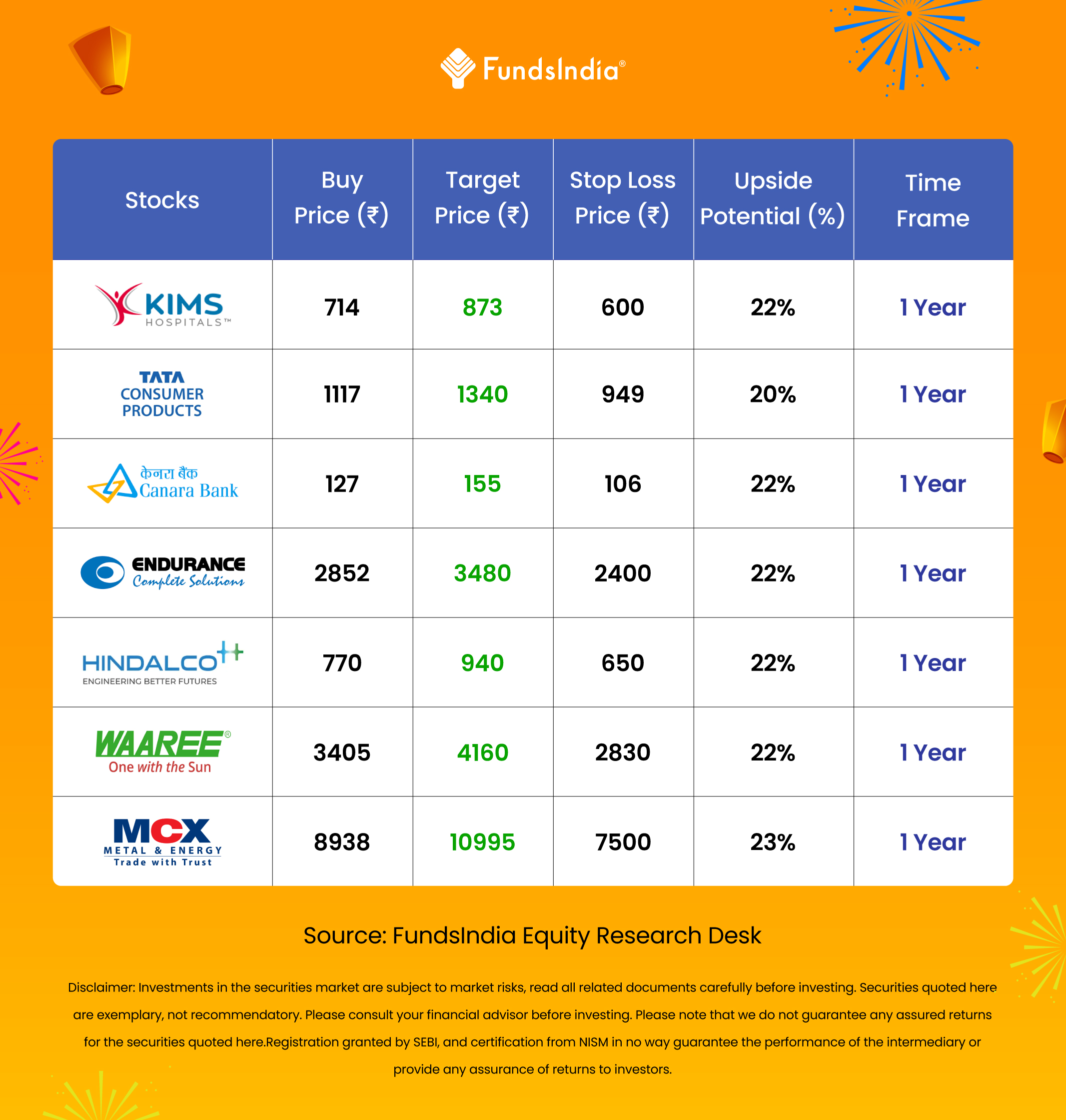
With this thought, we’re delighted to present FundsIndia’s Muhurat Picks 2025 – a thoughtfully curated list of stocks chosen by our Equity Research Desk, combining strong fundamentals and technical insights.
Whether you’re taking your first step into the world of investing or looking to strengthen your portfolio, this auspicious season offers the perfect moment to begin. So, let’s make this Diwali truly special with confidence, clarity, and growth using our Muhurat Picks 2025.
Here are our Muhurat Picks 2025
#1 Krishna Institute of Medical Sciences Ltd (KIMS)
Incorporated in the year 1973, Krishna Institute of Medical Sciences Ltd is one of the largest healthcare providers in Andhra Pradesh and Telangana. The company offers multidisciplinary healthcare services with primary, secondary, and tertiary care across tier 2 and tier 3 cities, and additional quaternary healthcare facilities in tier-1 cities. As of Q1FY26, KIMS stands at a capacity of 5,499 beds, at a 48.8% occupancy rate, out of which 4,612 are operational and 4,044 are census.
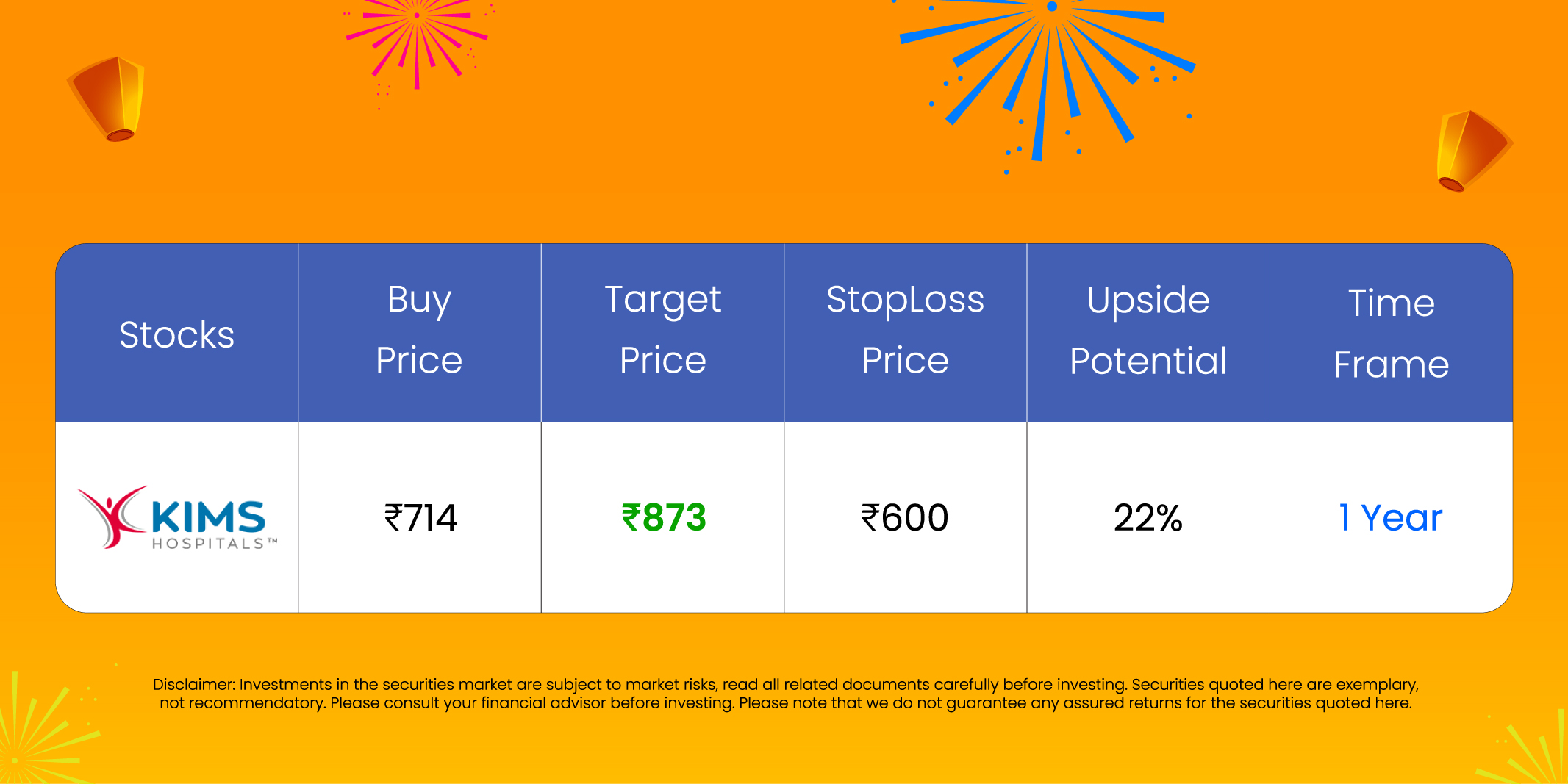
KIMS is executing an ambitious expansion strategy across South and West India planning to add approximately 1,700 beds through ongoing greenfield projects and brownfield expansions, targeting full commissioning of all announced projects by Q4FY27. Notable capacity addition projects scheduled for FY26 include multi-specialty expansion projects in Bangalore (800 incremental beds), Ongole Cancer Centre (50 incremental beds), and a capacity addition project in the oncology and mother & child facilities at the Anantpur hospital (250 incremental beds). This implies a strong growth trajectory with an average addition of about 400-450 beds annually over the next 3 years, balancing rapid market penetration and capital allocation discipline. Recent launches in Maharashtra, Karnataka, Kerala, and Andhra Pradesh are on track, with management guiding for EBITDA neutrality in new units within 12 months, reinforcing confidence in sustainable scalability.
The company’s focus on leveraging technology and specialty care remains a key differentiator, with emphasis on AI-enabled patient outcomes and high-value specialty mix comprising 58-65% of revenue. Telangana continues to demonstrate strong maturity with ARPOB at Rs.69,000 and occupancy headroom to 65-70%. The oncology portfolio is being scaled up selectively, especially in Andhra Pradesh and Telangana, positioning KIMS well for higher margins. Additionally, the management’s cautious yet optimistic approach in navigating challenges of insurance empanelment, talent onboarding, and operational integration signals sustained confidence in long-term growth prospects.
During Q1FY26, the company achieved a revenue of Rs.879 crore, an increase of 26.8% over Q1FY25. EBITDA also improved by 8.5% during the quarter to Rs.200 crore, net profit was recorded at Rs.85 crore, marking a de-growth of 10.5% YoY, which can be attributed to EBITDA margin compression of 390 bps, due to higher pre-operative expenses in newly commissioned units. The company has delivered sales and profit CAGR of 23% and 3% respectively, over the last 3 years (FY23-25). Notably the TTM sales and profit growth has improved to 25% and 17%, respectively. Average 3-year ROE and ROCE is at 19% and 18.5%, respectively. Debt-to-equity is at 1.2.

Key Risks:
- The company faces near-term margin pressure and losses related to the ramp-up of new greenfield facilities, with uncertainties in achieving timely breakeven.
- Slow insurance and CGHS empanelment in new markets can restrict revenue growth and increase dependence on cash-paying patients, affecting operational efficiency.
#2 Tata Consumer Products Ltd. (TATACONSUM)
Incorporated in 1962, Tata Consumer Products Ltd. is a fast-moving consumer goods company that unites the Tata Group’s food and beverage interests across India and international markets. The company operates leading brands spanning tea, coffee, water, and packaged foods, including Tata Salt, Tata Tea, Tata Sampann, Himalayan, Eight O’Clock Coffee, and newer extensions in pulses, spices, ready-to-cook, breakfast cereals, snacks, and ready-to-eat categories, serving over 40 countries. Recent strategic moves include category expansion and acquisitions to strengthen packaged foods and health-oriented offerings, alongside continued leadership in tea and a growing coffee franchise.
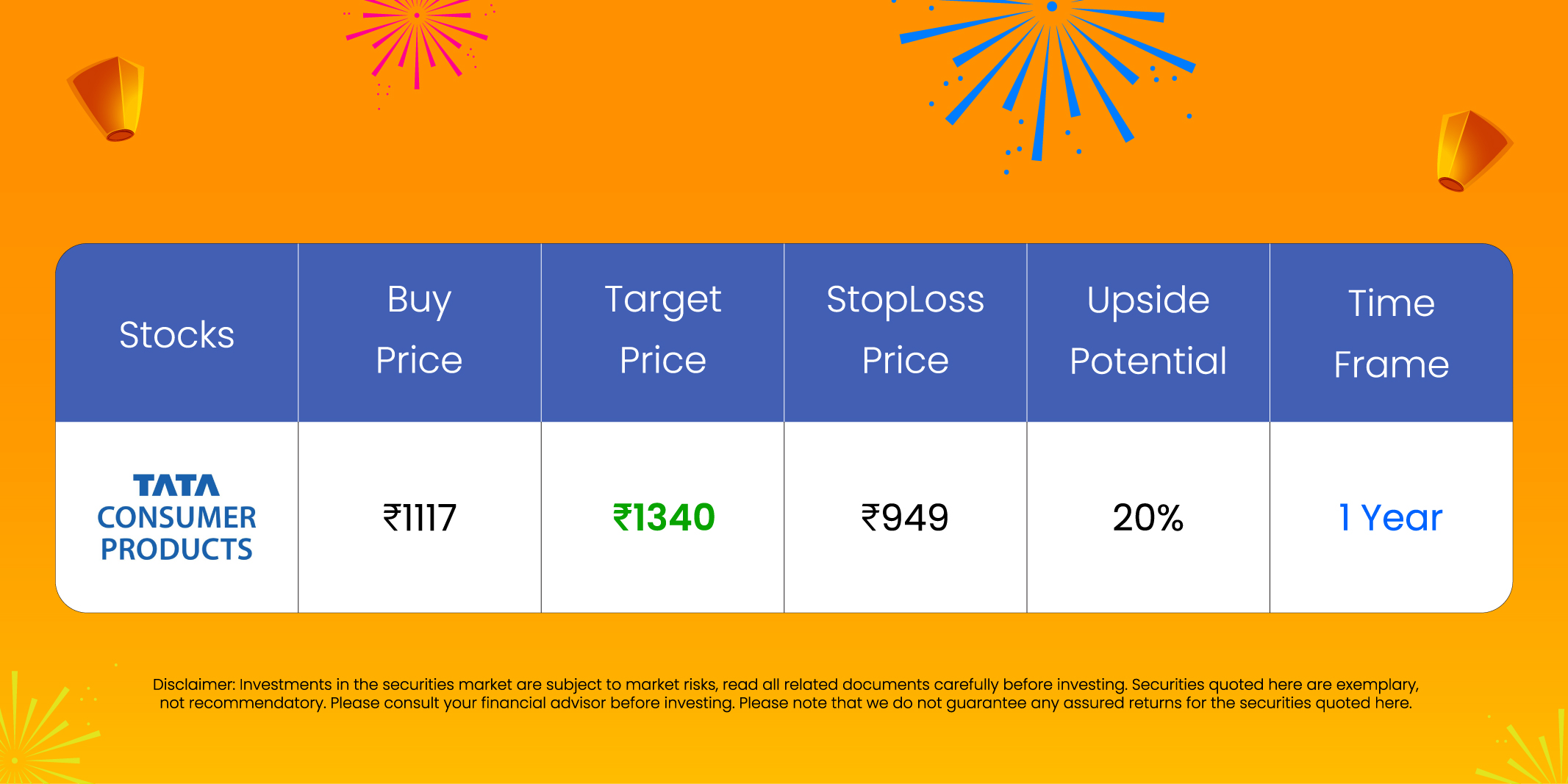
The company’s recent acquisitions – Capital Foods and Organic India, have moved past the integration phase, with clear signs of normalization expected from Q2FY26. Both businesses are delivering robust secondary sales momentum (22% and 32% growth, respectively) while maintaining combined 50% gross margin accretion to base India businesses. Management has systematically resolved transitory supply chain bottlenecks including noodles capacity constraints, export logistics optimization, and recipe reformulation, with both brands already delivering significant distribution expansion – Capital Foods outlet reach doubled to over 6 lakh outlets post-acquisition. The strategic rationale remains intact with Organic India’s e-commerce surging 3.5x YoY and Amazon US operations delivering 51% growth, reinforcing the path toward achieving the guided – 30% of portfolio growing at 30% rates while adding differentiated capabilities in premium adjacencies.
The company is positioned for sustainable margin recovery as commodity headwinds unwind, with tea costs expected to normalize by Q3FY26 as North India auction prices currently trend 13-15% below last year levels and crop supply remains robust. The company has successfully passed through 70% of earlier tea price inflation to consumers while maintaining volume growth in both tea and salt, indicating strong brand equity and pricing power. Management’s guided return to normative tea gross margins of 34-37% by Q3FY26 creates a clear path for 200-300 basis points of consolidated EBITDA margin expansion, reinforcing confidence in the company’s ability to deliver profitable growth as input cost pressures ease.
During Q1FY26, the company achieved a revenue of Rs.4,779 crore, an increase of 10% over Q1FY25. EBITDA de-grew by 8% during the quarter to Rs.615 crore, on account of tea cost, and corrections in the unbranded coffee market, causing downward pressure on price. Net profit rose 10% to Rs.332 crore, driven by lower finance costs following repayment of the short-term bridge loan raised for the Capital Foods and Organic India acquisitions through proceeds from the Rs.3,000 crore rights issue. The company has delivered sales and net profit CAGR of 12% and 9% respectively, over the last 3 years (FY23-25). Average 3-year ROE and ROCE is at 7% and 10%, respectively. Debt-to-equity is at 0.12.
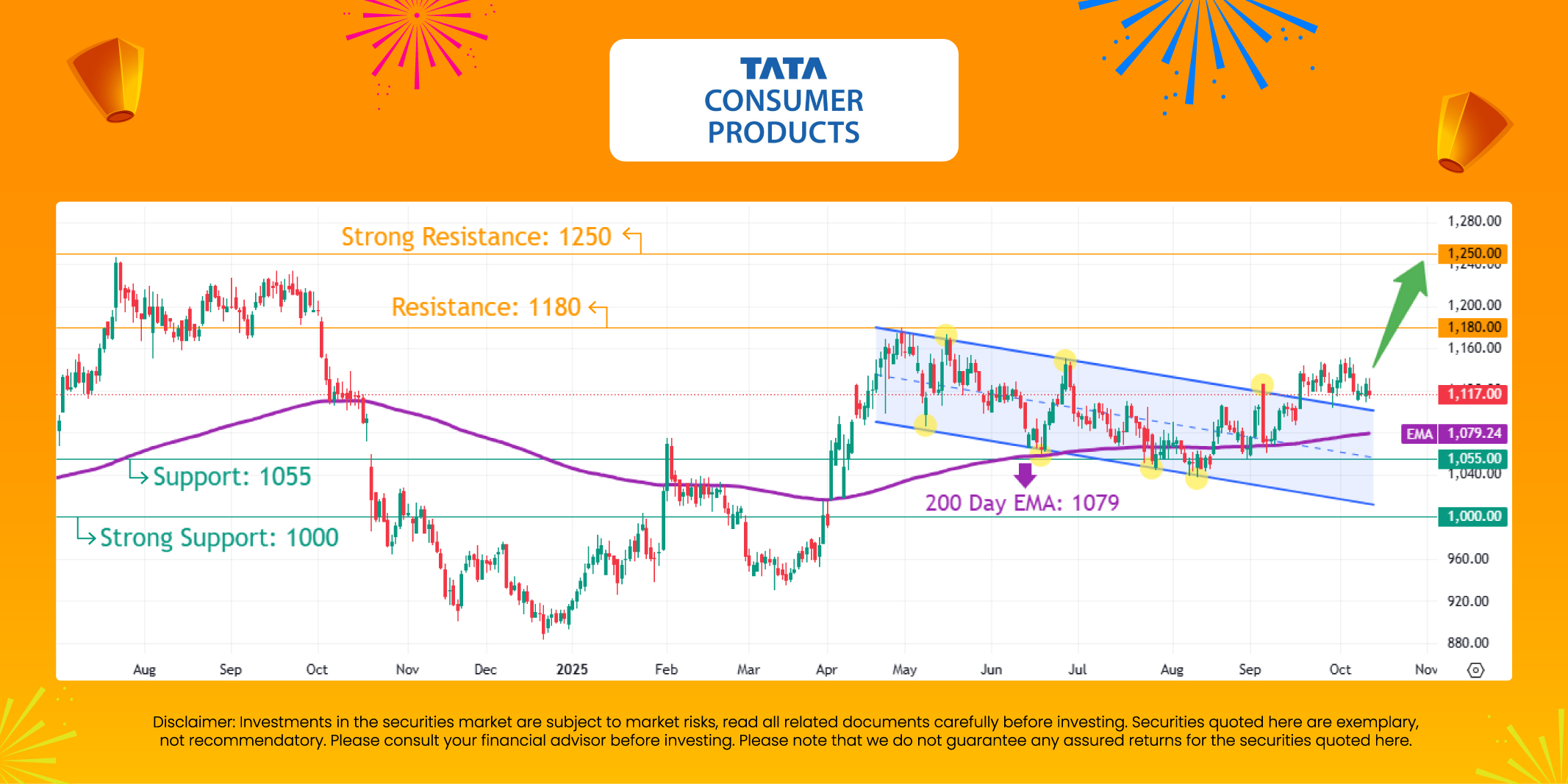
Key Risks:
- The fast-moving staples and beverages space is increasingly crowded, with large retailers and regional players expanding private-label offerings at lower price points.
- Heavy reliance on imported coffee beans, edible oils, and specialty ingredients exposes the company to currency fluctuations and supply disruptions. Any sudden rupee depreciation, export/import tariffs, or geopolitical tensions could inflate input costs and complicate sourcing, eroding margins despite domestic premium pricing efforts
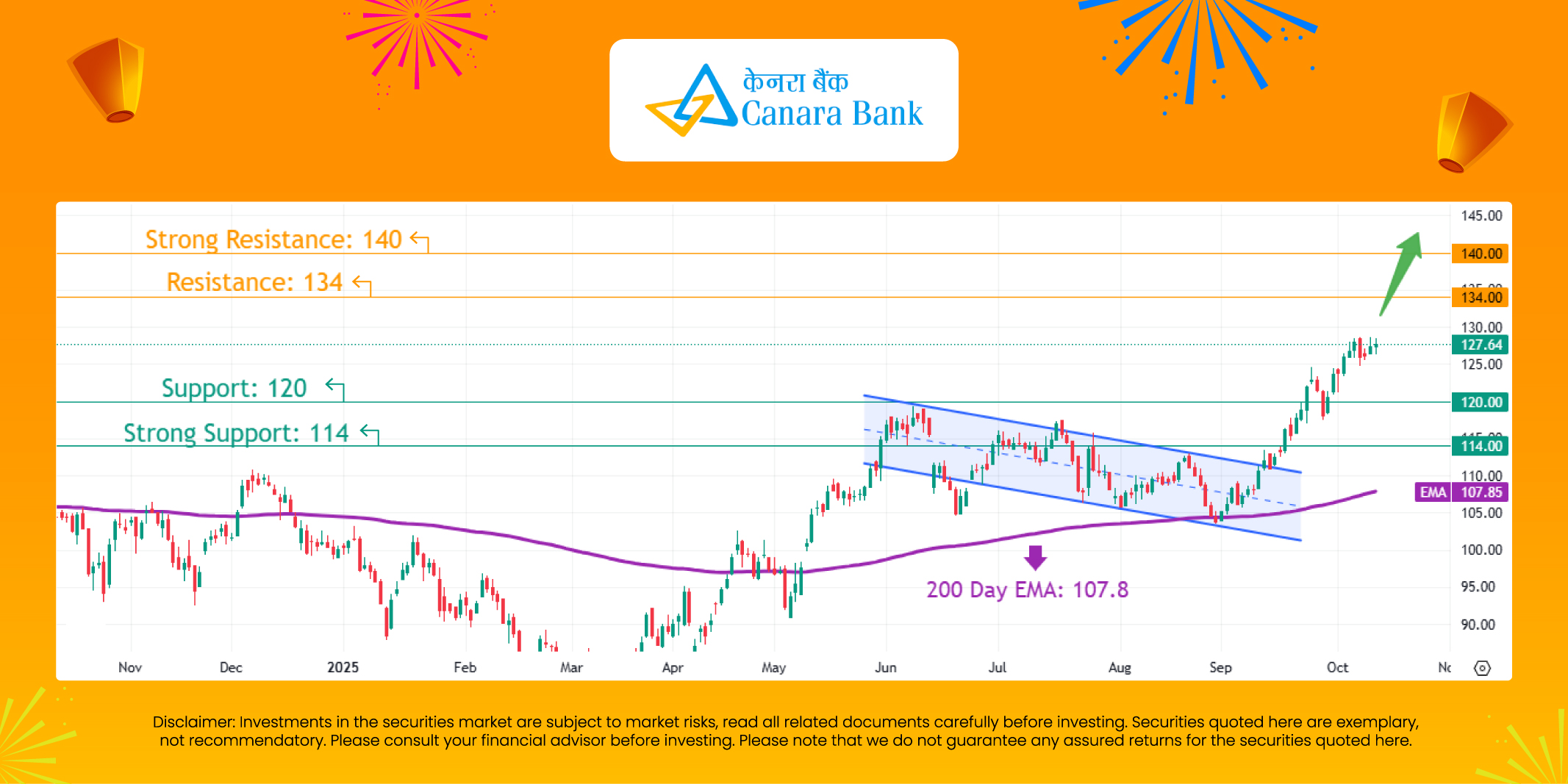
#3 Canara Bank (CANBK)
Incorporated in 1906 and nationalised in 1969, Canara Bank is a leading public sector bank headquartered in Bengaluru, providing a full‑suite of retail, MSME, corporate, agriculture and treasury services across India with select international operations. The 2020 amalgamation of Syndicate Bank materially expanded franchise scale, building a nationwide branch network with strong southern India density, deep government business linkages, and a large base of granular, low‑cost liabilities. The bank operates through diversified engines – retail, MSME and agriculture lending, corporate banking and treasury, complemented by group entities in housing finance (Can Fin Homes), asset management (Canara Robeco), life insurance (Canara HSBC Life), and securities/broking that create cross‑sell and non‑interest income opportunities.
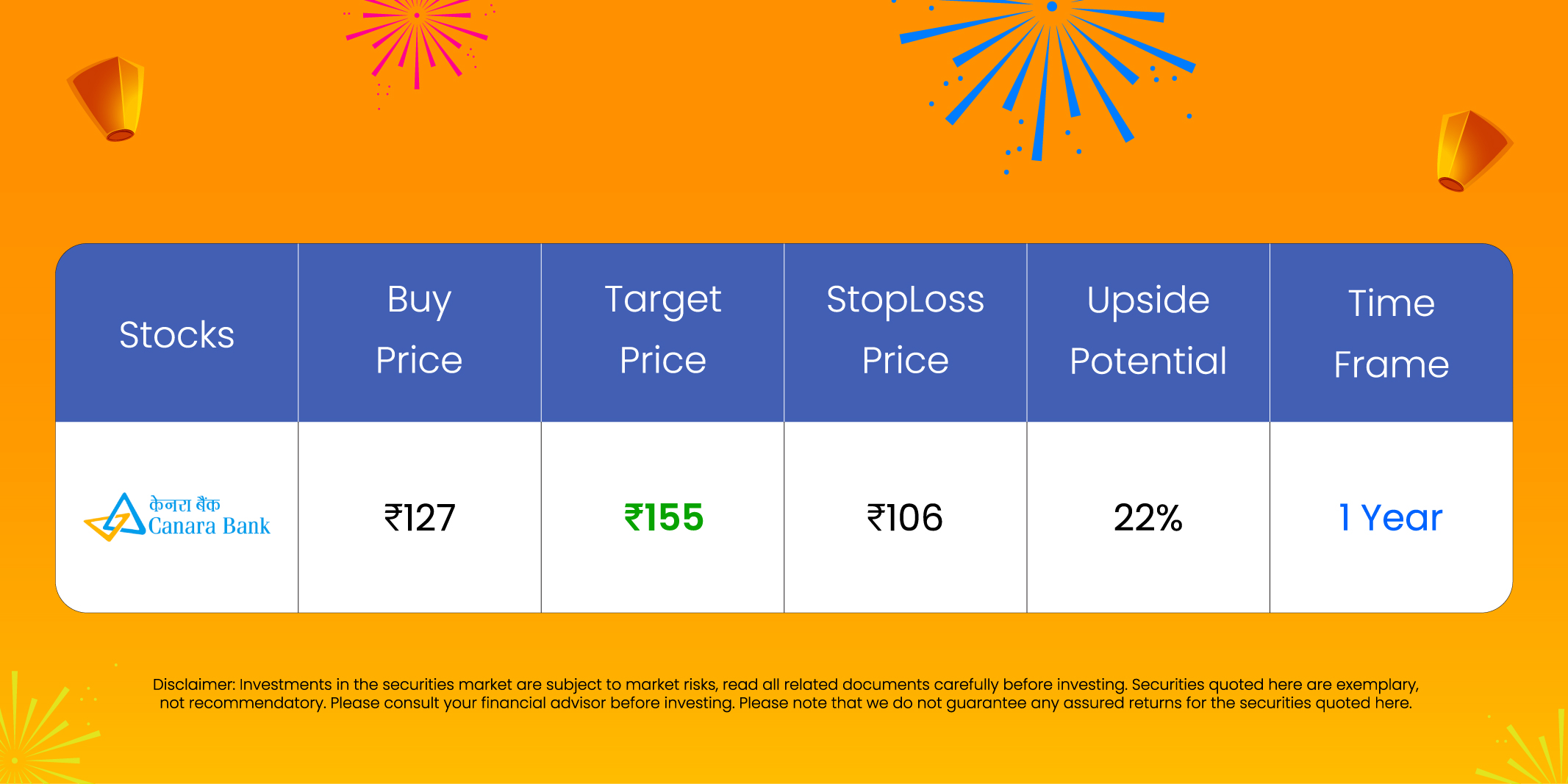
Continuing attempts to increase CASA ratio (29.56%, management aiming for 32%) has stabilized funding costs at 5.27%, supporting a stable NIM of 2.55% despite competitive pressure. Continued focus on home, vehicle, and microenterprise financing in under-banked regions not only broadens the customer base but also cushions NIM against volatility in wholesale deposit markets, ensuring sustained net interest income growth.
Canara Bank’s asset quality continues to improve on all key indicators, providing higher loss‑absorption capacity and visibility on stable credit costs. Gross NPA declined to 2.69% as of June 2025 from 4.14% a year ago, while Net NPA fell to 0.63% from 1.24% a year ago, reflecting sustained recoveries, upgrades, and disciplined slippage control within the quarter. PCR rose to 93.17% versus 89.22% in Q1FY25, indicating a well‑provided legacy pool and robust protection against potential stress. These trends indicate contained credit costs and enhance confidence in the sustainability of earnings and return ratios as growth compounds from a cleaner, better‑provisioned balance sheet.
During Q1FY26, loan book (advances) grew 12.42% YoY, and deposits grew 9.92% YoY. The company achieved a Net Interest Income of Rs. 9,009 Crore (NIM of 2.55%), a decrease of 1.71% over Q1FY25. Operating profit grew by 12.32% during the quarter to Rs.8,554 crore. Net profit surged 21.62% YoY to Rs. 4752 Crore. The company has delivered sales and profit CAGR of 20% and 42% respectively, over the last 3 years (FY23-25). Average 3-year ROE and ROA are at 17% and 1%, respectively.
Key Risks:
- Rapid growth in retail, MSME, and agri lending exposes the bank to downturns in borrower cash flows; an unexpected slowdown in rural incomes or SME profitability could lead to elevated slippages and higher credit costs, putting pressure on provisions and net profit.
- While CASA ratio has improved, continued deposit competition from private banks and mutual funds may force the bank to raise term deposit rates, compressing net interest margins and impacting earning stability, especially if wholesale borrowing increases to meet credit growth targets.
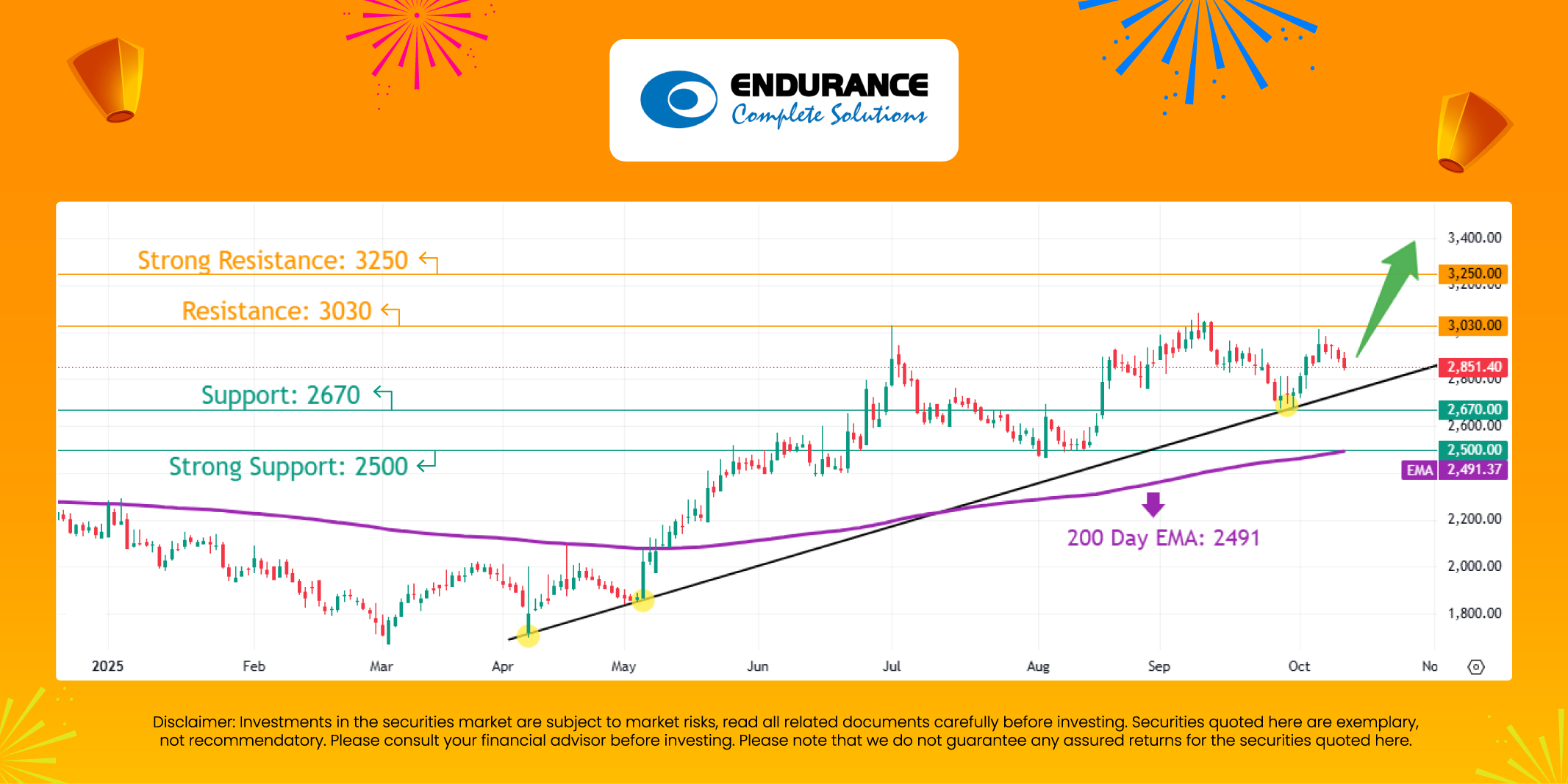
#4 Endurance Technologies Ltd (ENDURANCE)
Incorporated in 1985 and headquartered in Aurangabad, Endurance Technologies Ltd. is a leading automotive component supplier, offering a diverse range of technology-driven products across its operations in India and Europe (Italy and Germany). The company serves key automotive verticals such as die-casting, suspension, braking, transmission, embedded electronics and aluminium forging, followed by a significant presence in aftermarket business.
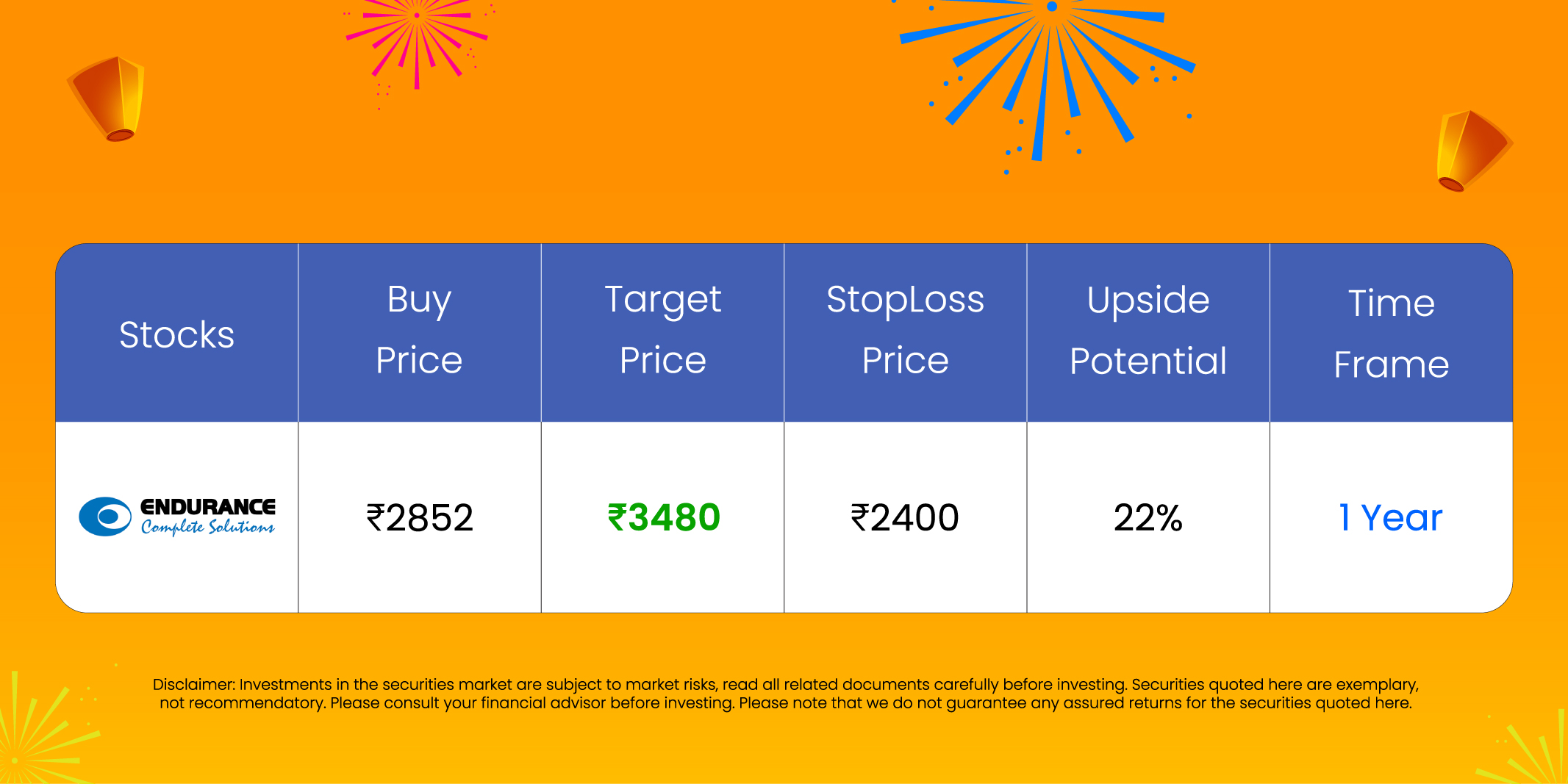
The company is undertaking strategic expansion across manufacturing, R&D, and energy storage. A new disc brake assembly plant is being set up in Chennai to cater to South Indian OEMs like TVS, Royal Enfield, and Yamaha. At AURIC Shendra, the company has commenced shipments to a leading European OEM and is also setting up a 4W casting facility with Rs.275 crore in annual orders. The Pune-based lithium-ion battery pack facility is expected to begin production by January 2026, backed by a Rs.300 crore p.a. order, targeting both mobility and non-automotive applications. With the full acquisition of Maxwell, Endurance is strengthening its electronics and energy business, having secured Rs.156 crore p.a. in BMS orders and actively pursuing Rs.150 crore more. The new suspension R&D center in Waluj, operational since July 2025, along with a Korean technical partnership, enhances 4W suspension capabilities and underpins the company’s innovation-led growth strategy.
In Q1FY26, the company secured order bookings worth Rs.252 crore in its India business, of which Rs.247 crore was from new business wins. This excludes a significant battery pack order valued at Rs.300 crore p.a. Key customers during the quarter included prominent 2W OEMs such as Royal Enfield, TVS, and Mahindra. Notably, the company also secured its first foundational order in the 4W segment from Tata Motors, marking a strategic entry into a new vertical. The company currently has active RFQs worth Rs.3,225 crore. Cumulative order wins in the Indian EV segment have reached Rs.864 crore, which increases to Rs.1,017 crore p.a. with the addition of Bajaj Auto. In its European operations, Endurance booked EV component orders worth €2 million during the quarter for its specialty plastics unit in Turin.
Revenue for Q1FY26 increased by 17% to Rs.3,355 crore, up from Rs.2,859 crore in Q1FY25. EBITDA improved YoY by 18% from Rs.408 crore to Rs.480 crore. Net profit rose by 11% to Rs.226 crore compared to Rs.204 crore in the previous year. The company has generated revenue and net profit CAGR of 15% and 19% over the past 3 years (FY23-25). 3-year ROE and ROCE is at 13% and 16% respectively. The company has a robust capital structure with debt-to-equity ratio of 0.17.
Key Risks:
- Increasing presence of domestic and global players, along with OEMs demanding better pricing and innovation, may impact Endurance’s market share and margins.
- Fluctuating prices of key inputs like aluminum and steel, coupled with potential global supply chain issues, can adversely affect production costs and profitability.
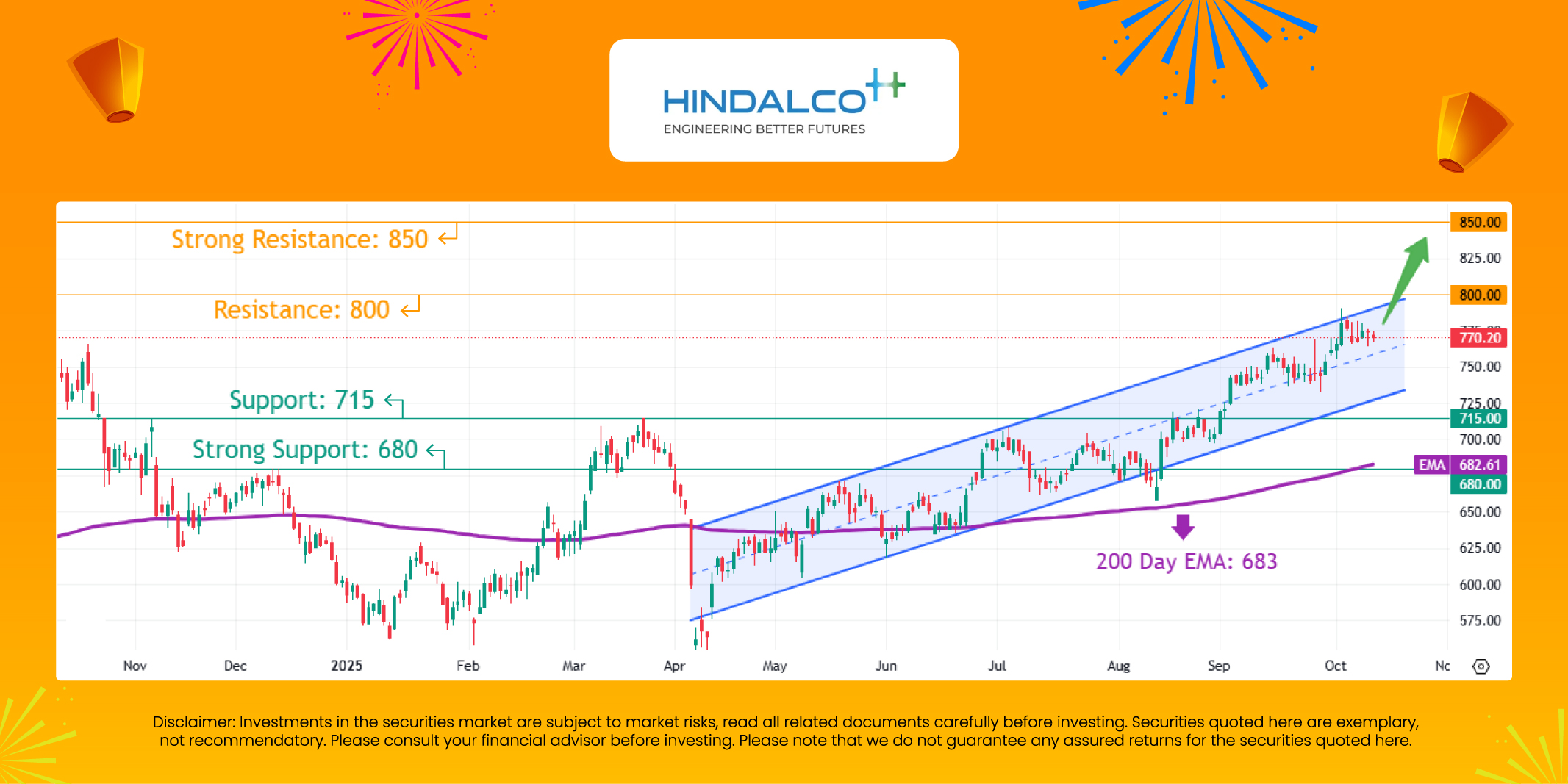
#5 Hindalco Industries Ltd (HINDALCO)
Hindalco Industries Ltd, the metals flagship company of Aditya Birla Group is one of the largest aluminium rolling and recycling companies across the globe. It is also a major copper player and a leading player in speciality alumina. Hindalco’s integrated business model encompasses the entire value chain from bauxite mining, alumina refining, coal mining, captive power generation, and aluminium smelting, to downstream value‑added products and solutions. As of FY25, the company has 50 manufacturing units and 25 mines.
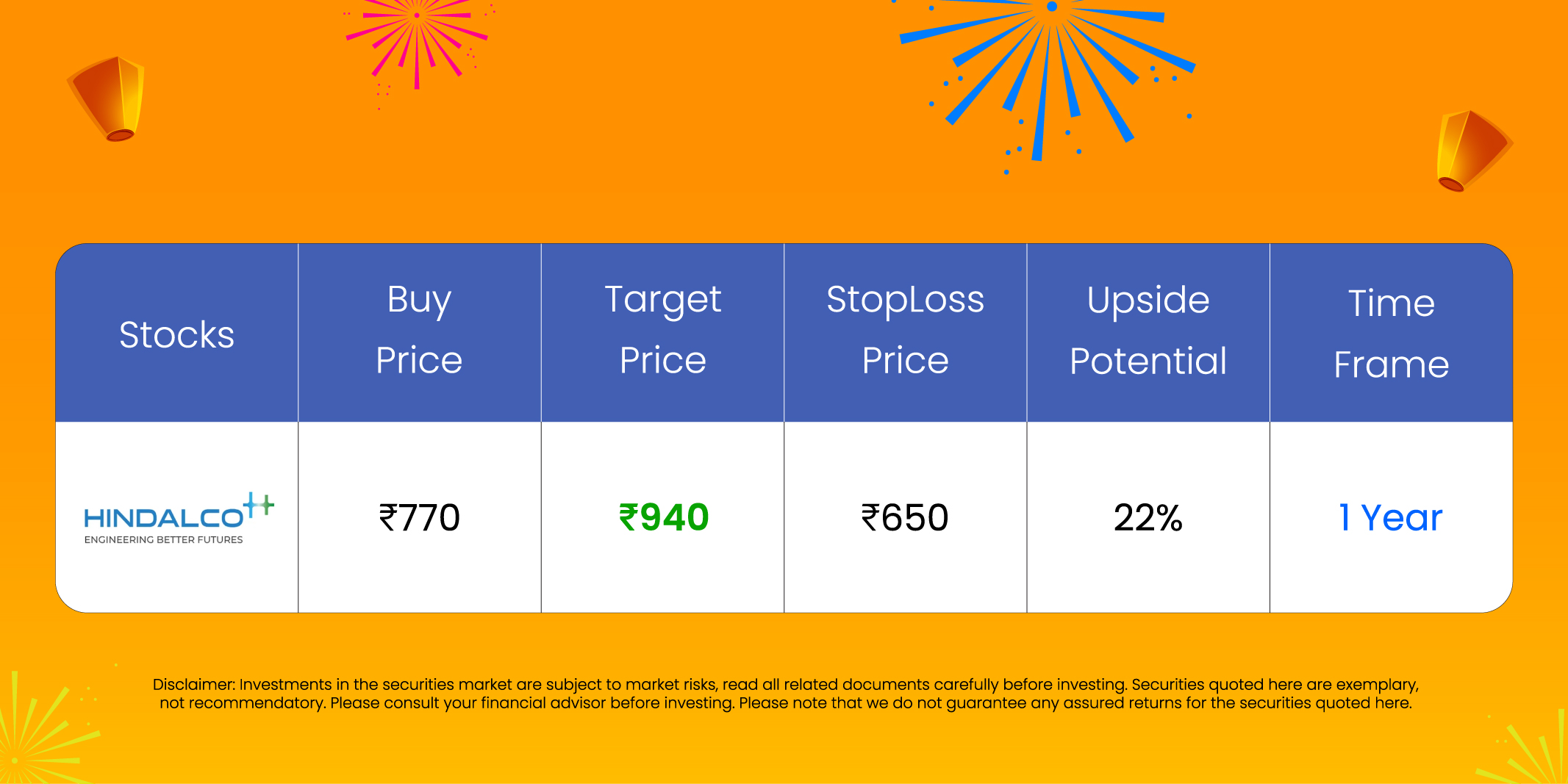
Hindalco continues to strengthen its global footprint through targeted acquisitions aligned with its long-term growth strategy. The recent acquisition of a 100% stake in US-based AluChem Companies, Inc. marks a significant step in expanding its specialty alumina portfolio, especially in high-tech and precision-engineered materials. This acquisition not only enhances Hindalco’s presence in the North American market with three advanced manufacturing facilities but also introduces premium alumina grades critical for high-performance industrial applications. Furthermore, the strategic purchase of EMMRL, the leaseholder of the Bandha coal block with substantial mineable reserves, ensures a sustainable coal supply chain and fuel security for the company’s upstream aluminium smelters. These acquisitions complement Hindalco’s goal of securing upstream resources and building differentiated, high-margin platforms.
Hindalco is aggressively scaling its upstream aluminium and copper capacities while aiming to quadruple downstream EBITDA by FY30 from the FY24 baseline. Operational efficiencies and cost discipline helped deliver industry-leading aluminium upstream EBITDA per ton in Q1FY26, reflecting the company’s competitive positioning. Key projects such as the Chakan facility, Meenakshi Coal Mine, Aditya Alumina Refinery, aluminium and copper smelters are progressing on schedule. On the downstream side, Hindalco posted record aluminium downstream EBITDA supported by strong volumes and product mix. The company has started commissioning vital projects, including the Aditya FRP facility and a copper tube plant with inner group capabilities. Additionally, the Bay Minette greenfield rolling and recycling plant in the U.S., alongside capacity ramp-ups at Guthrie (Kentucky) and Ulsan (South Korea), underline Hindalco’s commitment to expanding capacity and sustainable growth.
During Q1FY26, the company generated revenue of Rs.64,232 crore, an increase of 13% YoY compared to Rs.57,013 crore of Q1FY25. However, EBITDA remained largely unchanged at approximately Rs.8,500 crore, primarily due to a 17% YoY decline in Novelis’ EBITDA, impacted by higher scrap prices and a net negative tariff effect. Net profit increased from Rs.3,074 crore of Q1FY25 to Rs.4,004 crore of Q1FY26, a growth of 30% YoY. The company has generated revenue and net profit CAGR of 7% and 6% over the period of 3 years (FY23-25) while the TTM sales and net profit growth is at 12% and 58%. Average 3-year ROE & ROCE is around 12% each for FY23-25 period. The company has a debt-to-equity ratio of 0.52.
Key Risks:
- Mining operations can pose significant environmental and social challenges, potentially affecting the company’s sustainability credentials and community relations.
- Fluctuations in raw material prices, especially coal, and potential domestic supply shortages could put pressure on operating costs and impact profit margins.
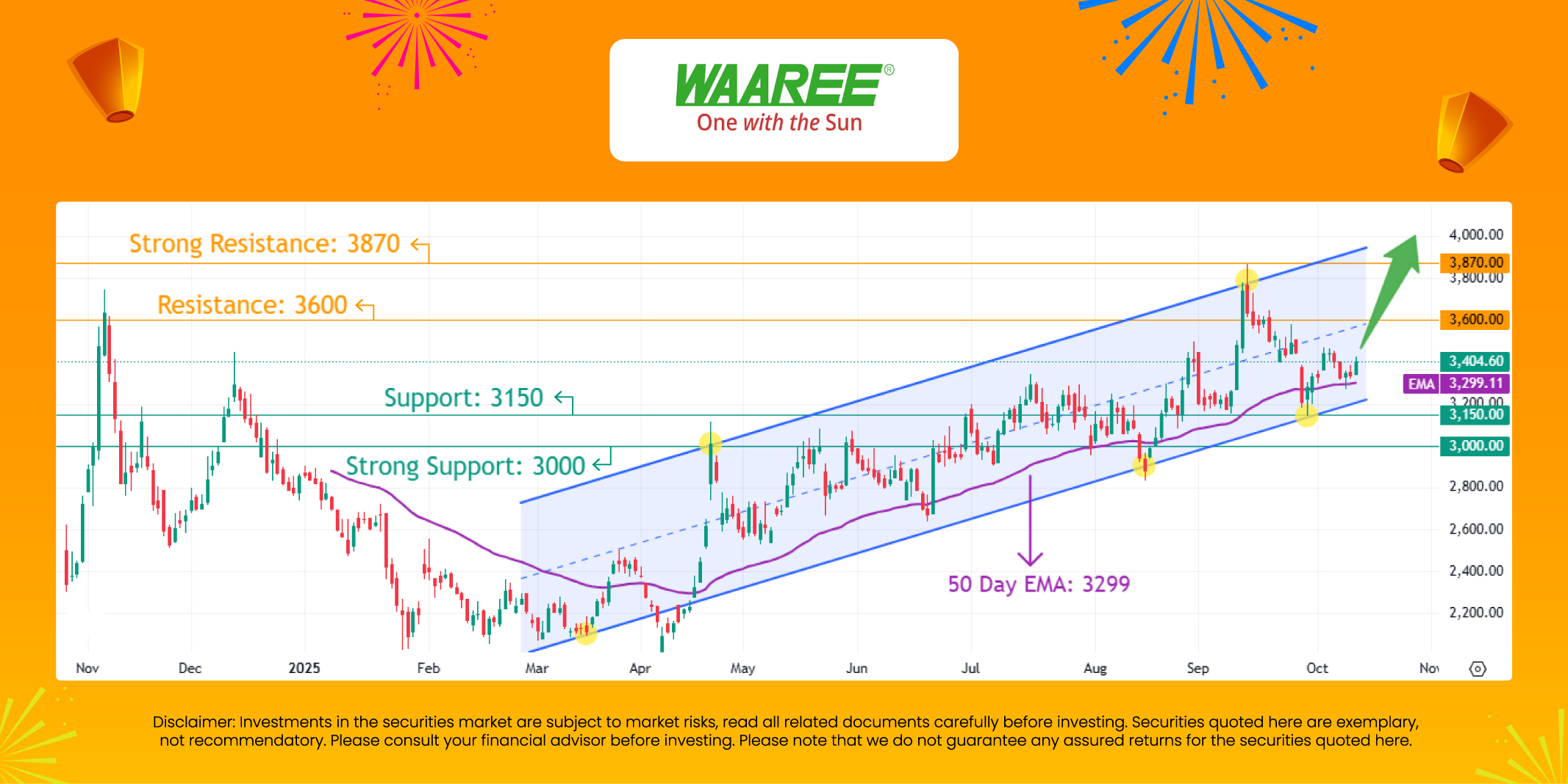
#6 Waaree Energies Ltd (WAAREEENER)
Incorporated in 1990 and headquartered in Mumbai, Waaree Energies Ltd. is India’s largest manufacturer of solar module with an aggregate module manufacturing capacity of ~17 GW. Presently, it is engaged in manufacture of solar photo-voltaic modules, setting up of projects in solar space and sale of electricity. The company has 6 solar module manufacturing facilities in India.
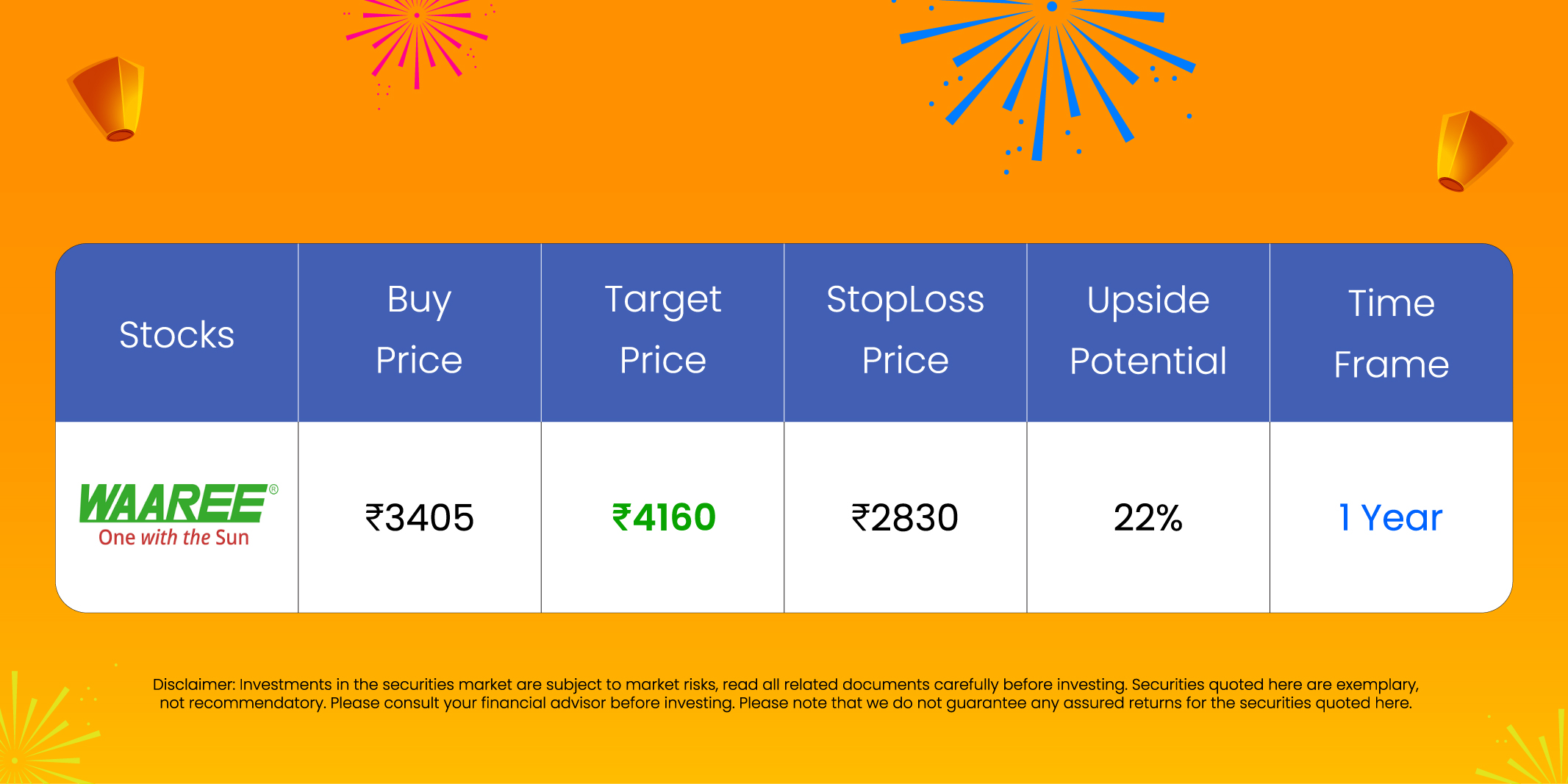
The company is actively pursuing strategic acquisitions to strengthen its position across the solar energy value chain. The company completed the acquisition of a 64% stake in Kotsons Private Limited, a transformer solutions provider, for Rs.192 crore, adding critical grid infrastructure capabilities. It also plans to acquire a 76% stake in Racemosa Energy (India) Pvt. Ltd., a smart meter manufacturer, to expand its footprint in energy management technologies. These moves align with Waaree’s strategy to become an integrated energy solutions provider. Additionally, the company has operationalized over 2.75 GW of new solar module capacity at its Degam facility in Gujarat, enhancing its domestic manufacturing footprint. These acquisitions and capacity additions position Waaree to capture synergies across generation, transmission, and smart distribution in the renewable energy space.
The company boasts a robust order book of Rs.49,000 crore, covering 25 GW of solar module demand, with a strong pipeline exceeding 100 GW. Module production grew significantly from 1.4 GW in Q1FY25 to 2.3 GW in Q1FY26, backed by ongoing capacity expansions. By FY27, the company aims to scale its capacity to 25.7 GW modules, 15.4 GW cells, and 10 GW ingot-wafer, supported by new plants in Gujarat and Maharashtra. Expansion into adjacent areas like battery energy storage (3.5 GWh capacity), inverters (3 GW p.a.), and 300 MW green hydrogen electrolyser manufacturing is also underway, with facilities under construction across Valsad, Gujarat. With multiple high-value orders from the U.S. totaling over 1.7 GW, Waaree is well-positioned to capitalize on the growing global demand for renewable energy systems.
During Q1FY26, the company achieved revenue of Rs.4,426 crore, an increase of 30% compared to the Rs.3,409 crore of Q1FY25. Company EBITDA improved by 83% YoY during the quarter to Rs.1,169 crore. Net profit rose by 93% to Rs.773 crore. The company has generated 3-year revenue and net profit CAGR of 72% and 191%. Average 3-year ROE and ROCE are at 31% and 44% respectively. The company has a strong balance sheet with a debt-to-equity ratio of 0.13.
Key Risks:
- Delays in executing expansion plans could disrupt operations and impact financial performance.
- Evolving policies and regulations can impact power generation, pricing, and market dynamics.
#7 Multi Commodity Exchange of India Ltd (MCX)
Incorporated in 2002 and headquartered in Mumbai, Multi Commodity Exchange of India Ltd. (MCX) is a commodity derivatives exchange that facilitates online trading of commodity derivatives transactions, thereby providing a platform for price discovery and risk management. MCX is India’s largest exchange in the commodity derivatives segment, and world’s sixth largest exchange by the number of commodity derivative contracts traded.
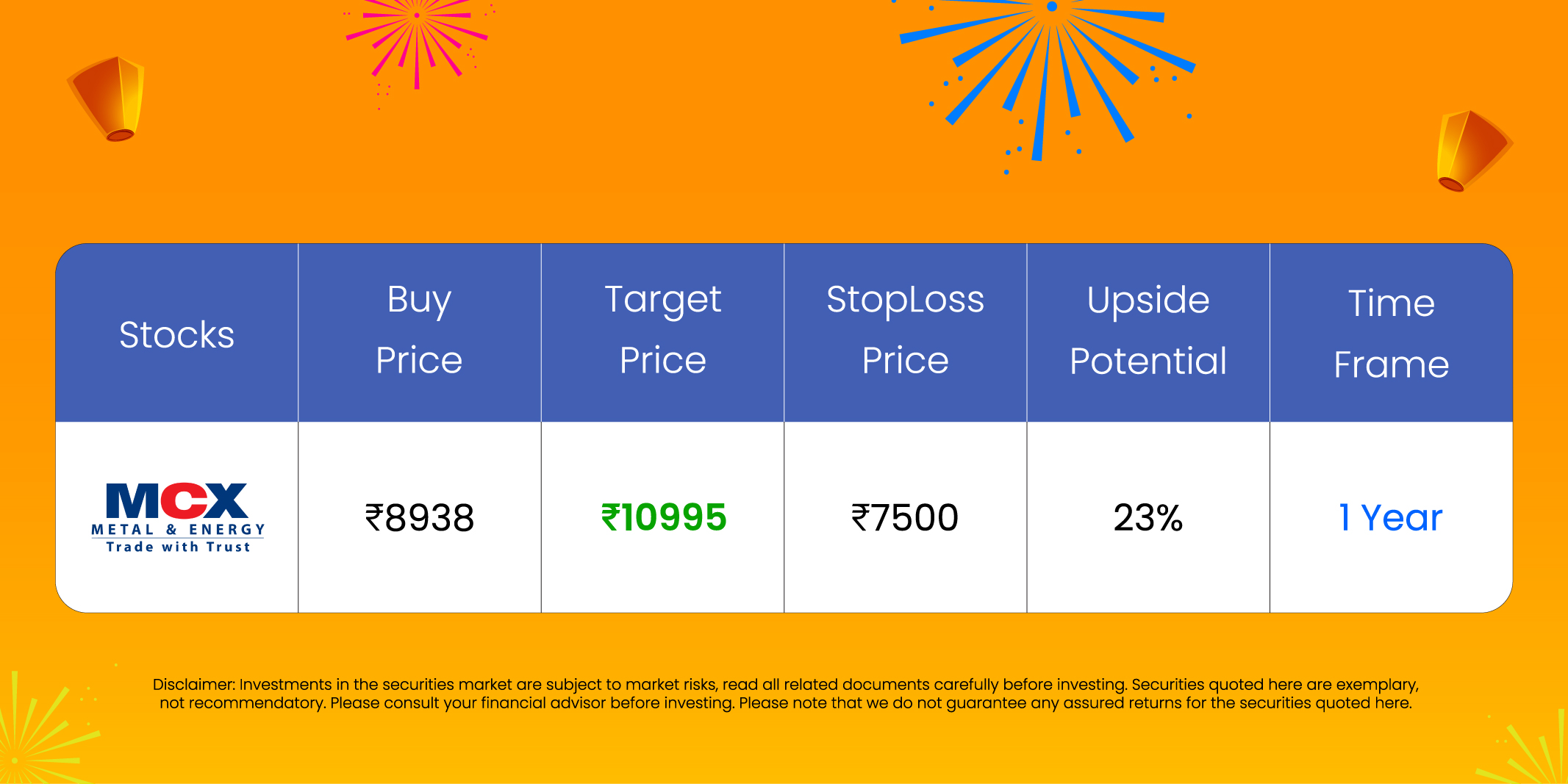
MCX became the first exchange in India to launch electricity futures, marking a major milestone in product innovation. Since April, the exchange has introduced several new contracts across key segments, including 10-gram gold futures, options on silver products, electricity futures (launched in June), and cardamom futures (launched in July). These product launches span nearly all operational segments – bullion, energy, and agriculture – enhancing the exchange’s ability to offer comprehensive risk management tools to a broad base of stakeholders across industries. The expanding product suite reflects MCX’s continued focus on market development and diversification, with a strong pipeline of new offerings in progress.
The exchange has also delivered robust operational performance, with Average Daily Turnover rising 80% YoY from Rs.1,72,757 crore to Rs.3,10,775 crore. The number of traded clients also saw significant growth during Q1FY26, with Futures clients increasing by 14% (from 2.2 lakh to 2.5 lakh), and Options clients rising by 33% (from 4.3 lakh to 5.7 lakh), resulting in a total client growth of 23% YoY. These figures highlight growing market participation and reaffirm MCX’s position as a leading commodity derivatives platform in India.
During Q1FY26, the company generated the highest ever quarterly revenue of Rs.373 crore, an increase of 59% compared to Rs.234 crore of Q1FY25. Profits improved YoY, with operating profit surging to Rs.274 crore compared to Rs.151 crore of Q1FY25, a growth of 81%. Net profit increased by 83% from Rs.111 crore to Rs.203 crore. Revenue and net profit CAGR over the past 3-years in 45% and 52%. Average 3-year ROE & ROCE is around 18% and 21% for FY23-25 period. The company has a strong balance sheet without any debt in its capital structure.

Key Risks:
- The company operates in a highly regulated environment, where changes in policies or compliance requirements can impact business operations.
- Rapid technological advancements may lead to obsolescence, requiring continuous investment in systems and infrastructure to stay competitive.

Disclaimer: Investments in the securities market are subject to market risks, read all related documents carefully before investing. Securities quoted here are exemplary, not recommendatory. Please consult your financial advisor before investing. Please note that we do not guarantee any assured returns for the securities quoted here.
Research disclaimer: Investment in the securities market is subject to market risks. Read all the related documents carefully before investing. Registration granted by SEBI, and certification from NISM in no way guarantee the performance of the intermediary or provide any assurance of returns to investors.
For more details, please read the disclaimer.